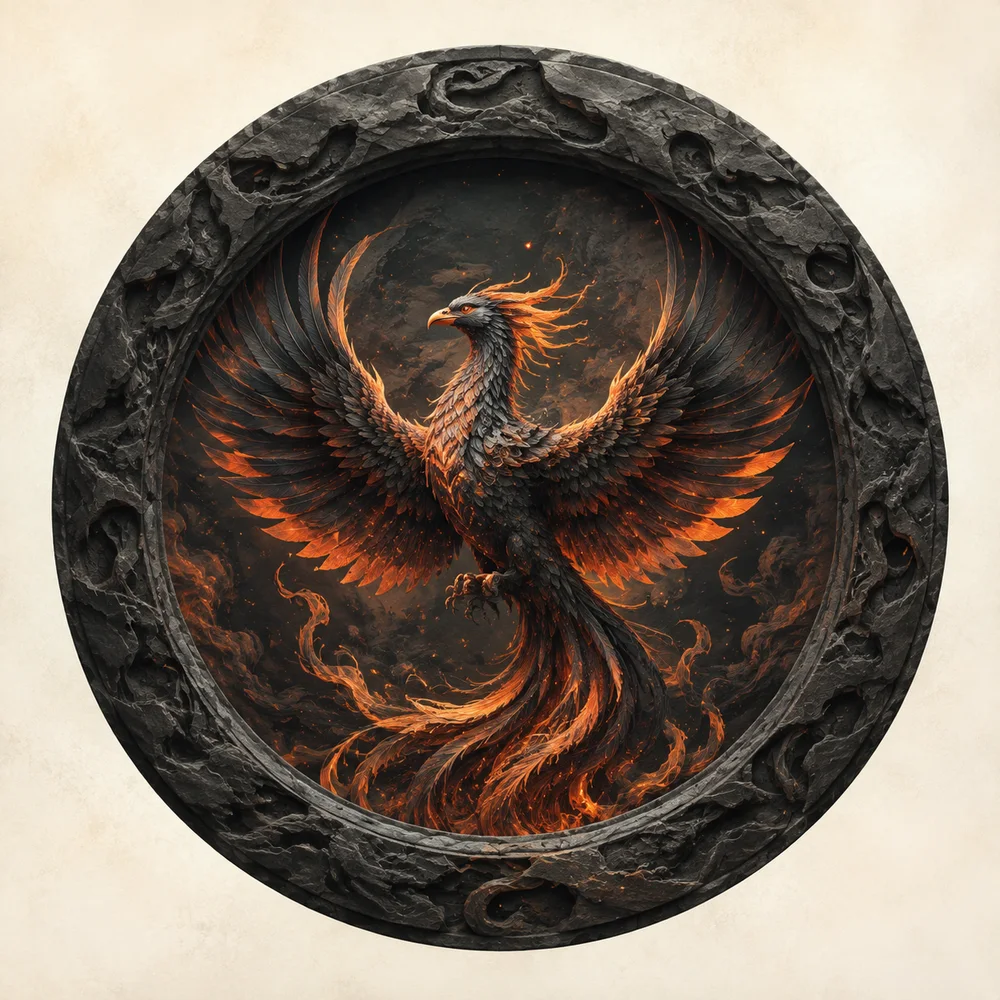
Myths
The Phoenix Across Texts and Artistic Traditions
A single name connects very different accounts, objects and later interpretations—so context must lead the comparison.
AI-assisted editorial draft · human editor pending
Read the storyMythology, symbols and visual culture
Explore the stories behind the phoenix and discover how artists use fire, circular forms and texture to create expressive images.
Three editorial collections
Start with the record, then study the form, then make room for interpretation.
Featured stories
Six original essays connect close looking with source-aware research.
Myths
A single name connects very different accounts, objects and later interpretations—so context must lead the comparison.
AI-assisted editorial draft · human editor pending
Read the storySymbols
Flame can destroy, reveal, transform or frame a scene; renewal is one reading, not an automatic definition.
AI-assisted editorial draft · human editor pending
Read the story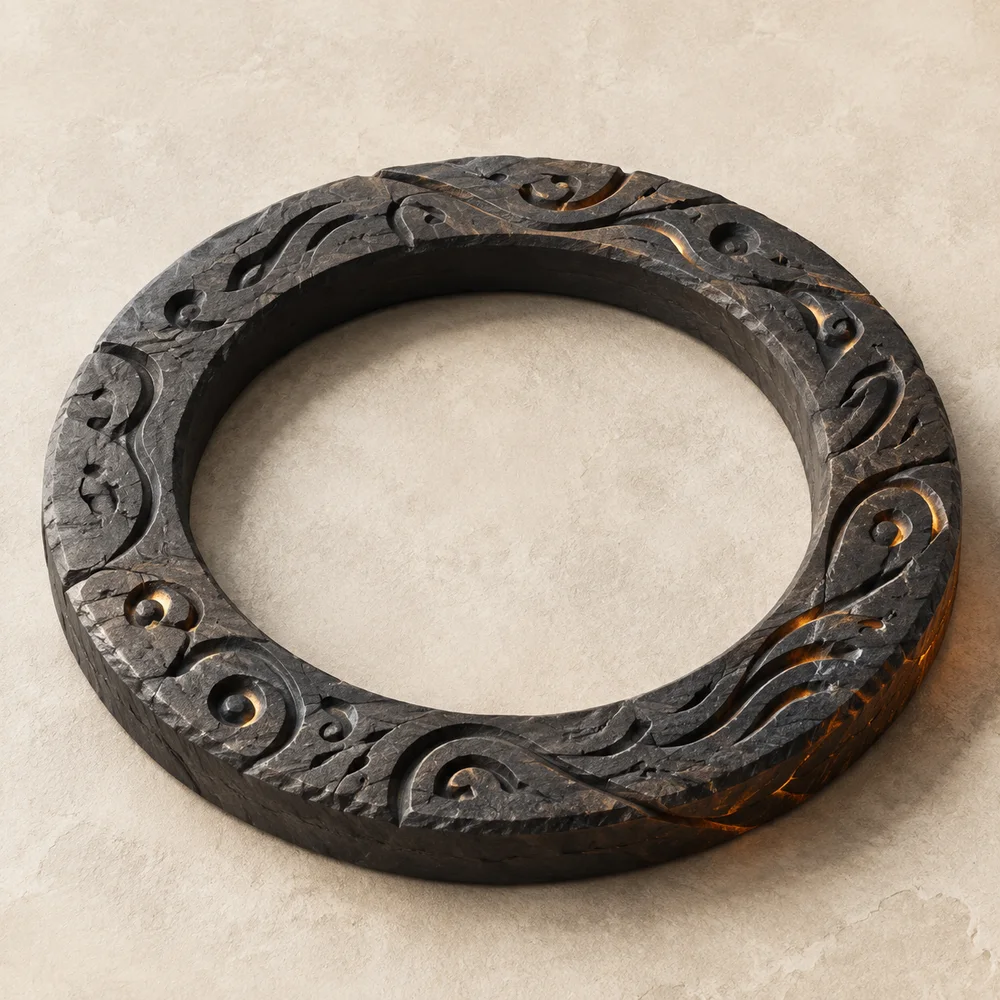
Emblems
A fixed ring concentrates attention, establishes rhythm and changes how a central figure meets the page.
AI-assisted editorial draft · human editor pending
Read the story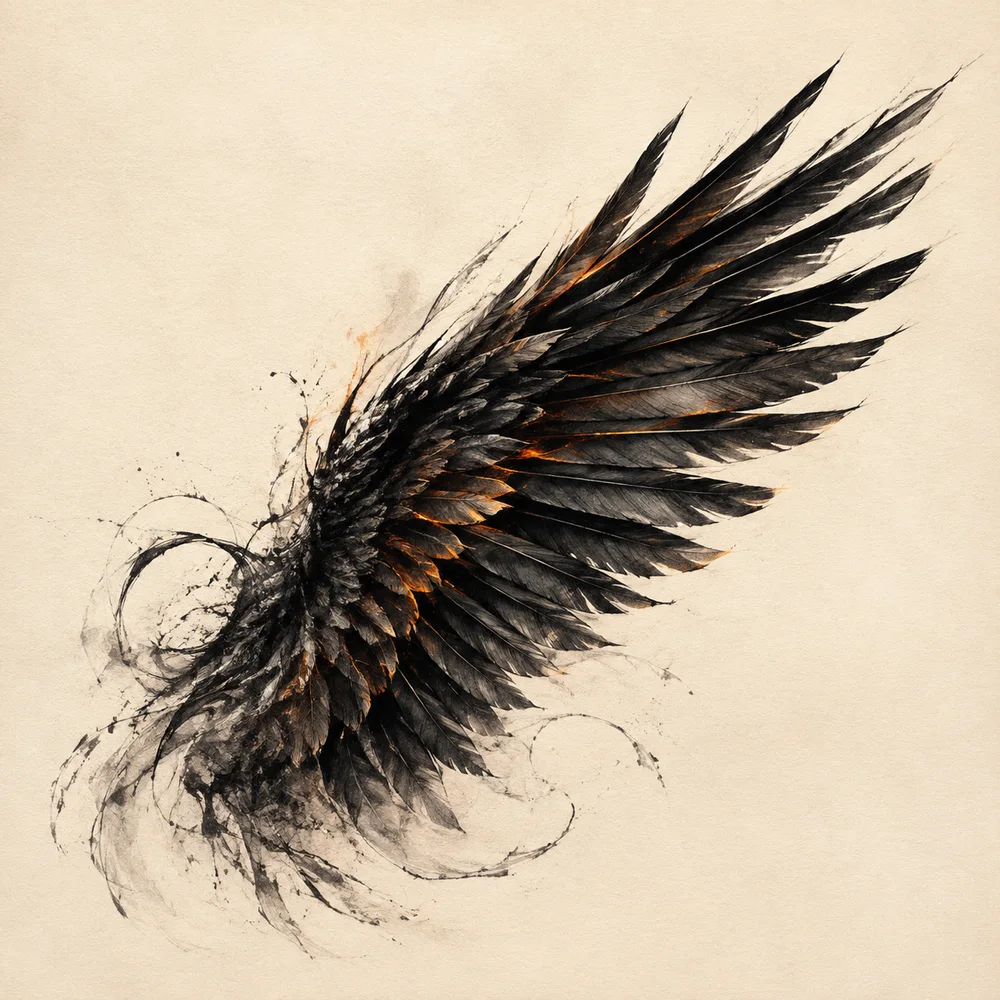
Art
Silhouette, wing rhythm and controlled detail give an invented creature presence before effects are added.
AI-assisted editorial draft · human editor pending
Read the storyMaterials
Material cues become convincing when edge, scale, shadow and light agree about the imagined surface.
AI-assisted editorial draft · human editor pending
Read the storyResearch
A practical method for separating documented motifs, modern borrowings and entirely fictional decoration.
AI-assisted editorial draft · human editor pending
Read the storyAnatomy of an emblem
The phoenix provides identity and the highest concentration of detail.
A broad upward axis gives the still image direction.
The fixed ring isolates the subject and returns attention inward.
Repeated fictional marks add rhythm without a claimed translation.
Chips and recesses establish weight and scale.
One warm source separates feather edges from graphite stone.
Motifs at a glance
The table separates formal analysis of this artwork from documented historical reference.
| Motif | Role in the Featured Artwork | Documented Reference | Further Reading |
|---|---|---|---|
| Phoenix | Central imagined figure and focal silhouette | Herodotus 2.73; later accounts differ | Phoenix Across Texts |
| Wings | Create a broad axis and upward visual direction | Formal analysis of the featured artwork | Designing an Expressive Mythical Bird |
| Flame | Supplies the primary light and motion cue | Meanings vary by work and context | Fire and Renewal |
| Circle | Contains the figure and redirects attention inward | Getty AAT roundel terminology for documented objects | How Circular Frames Shape an Illustration |
| Stone Border | Adds weight, age-like texture and tonal contrast | Original fictional design; no historical provenance claimed | Historical Symbol or Modern Invention? |
From mark to meaning
Research establishes the boundaries. Sketches find the gesture. Material and light make the form coherent. Documentation tells the reader exactly what is new.
Read the research method ↗Research principles
We distinguish the ancient account, later interpretation, museum object and present-day design choice. We use museum catalogues, primary texts and controlled vocabulary where each is relevant.
The images in this edition are original generated studies. They are not reconstructions or photographs of artifacts.
Editorial policy ↗FAQ
The journal studies phoenix narratives, circular emblem design, decorative stone textures, fire in visual storytelling and contemporary mythical-bird illustration.
No. The three lead images are original AI-generated editorial illustrations. Historical objects appear only through clearly linked museum records on the Sources page.
Articles identify the text, object or collection being discussed, note who recorded a story, and label present-day visual analysis as interpretation rather than historical evidence.
Each article ends with the references used for its factual framework. The Sources & Image Credits page brings the full list together.
Not without permission from the verified rights holder. An image being visible here does not grant a reproduction or commercial-use licence.
The publisher must add and test a monitored editorial address before release. Until then, [CONTACT_EMAIL] is deliberately shown as an incomplete field.
About the publication
Emblem & Fire is an editorial draft about mythical imagery, decorative form and visual interpretation. It does not claim museum partnerships, archaeological authority or anonymous expert review.
AI-assisted editorial draft · human editor pending
How the journal worksSelected references
Ancient Greek literary account of the phoenix, including Herodotus’s explicit distance from the report.
Medieval bestiary treatment of the phoenix and its Christian resurrection reading.
Terminology for circular decorative panels in architectural settings.
Open-access collection record and visual description of a 1628 phoenix etching.